|
We are in the process of renovating the IOHIO website and hope to present it in its new format as soon as possible.
|
THE OAXACA HISTORIC ORGANS
Oaxaca: Mexico’s cultural treasure
The state of Oaxaca, in southeastern Mexico, is one of the most culturally rich areas in the world. It is renowned for its imposing archeological sites, splendid colonial art and architecture, linguistic diversity, stunning geography, vibrant traditions, fine handicrafts, modern art, and its celebrated regional cuisine.
Pipe organs: another Oaxaca treasure
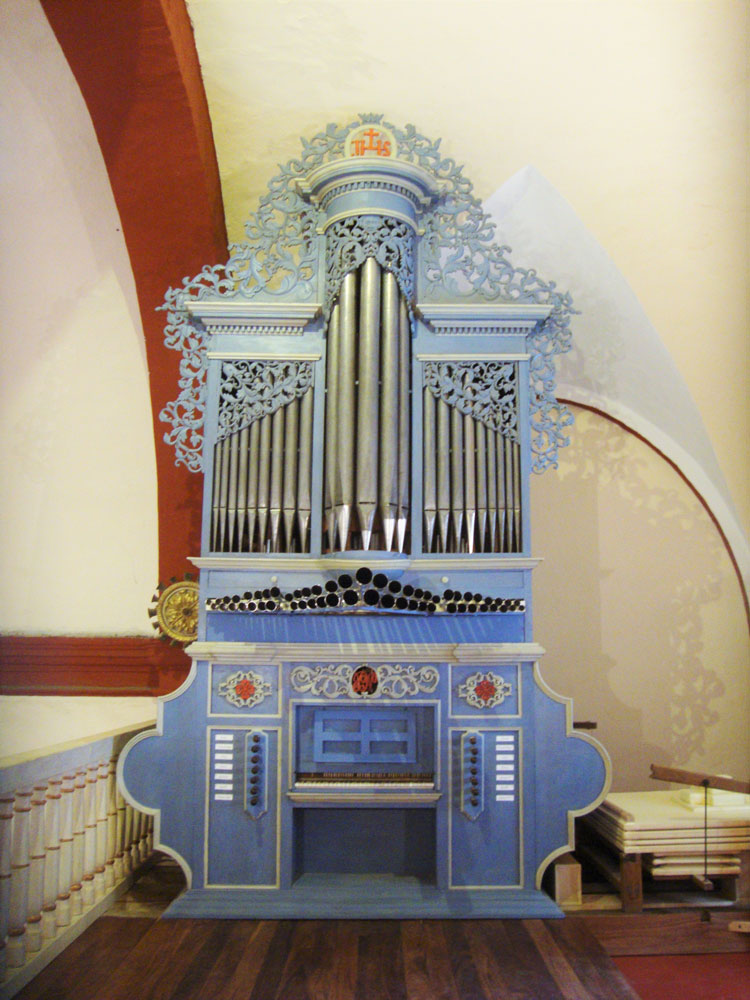
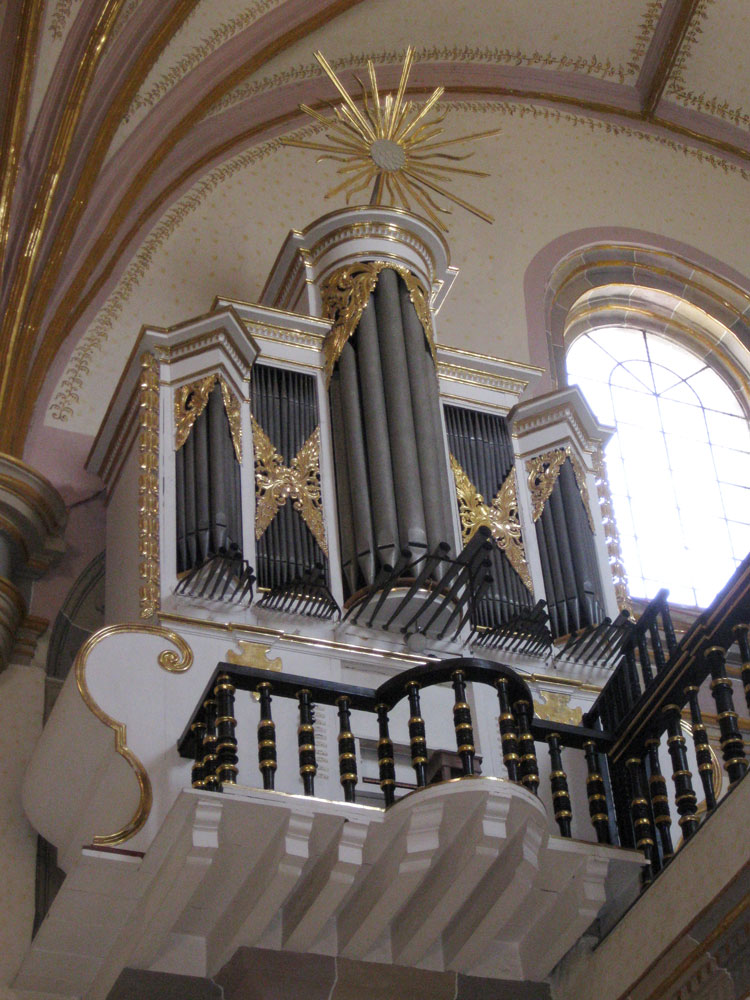
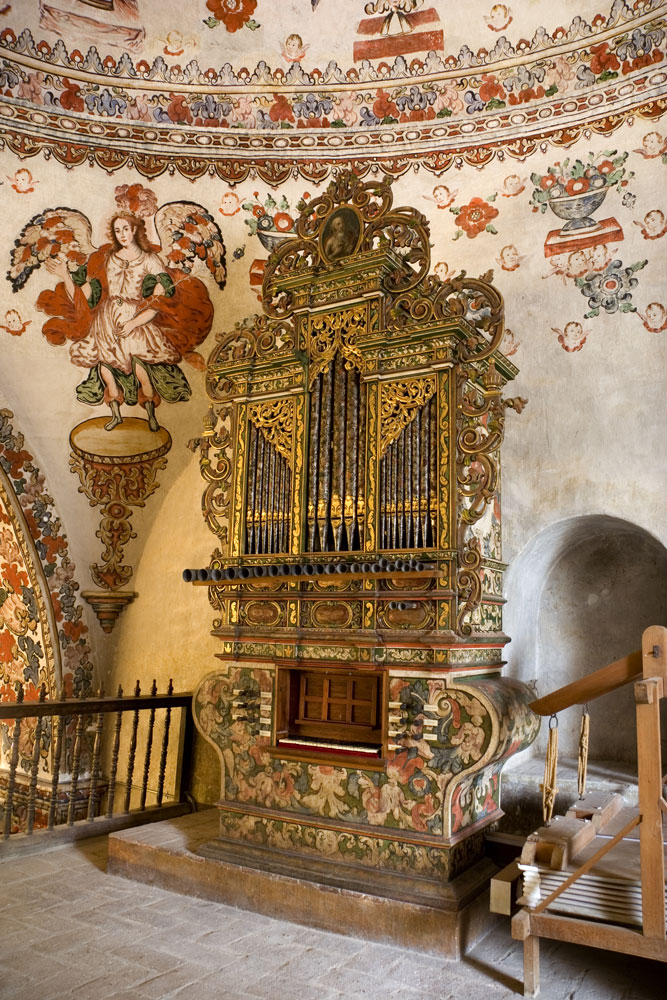
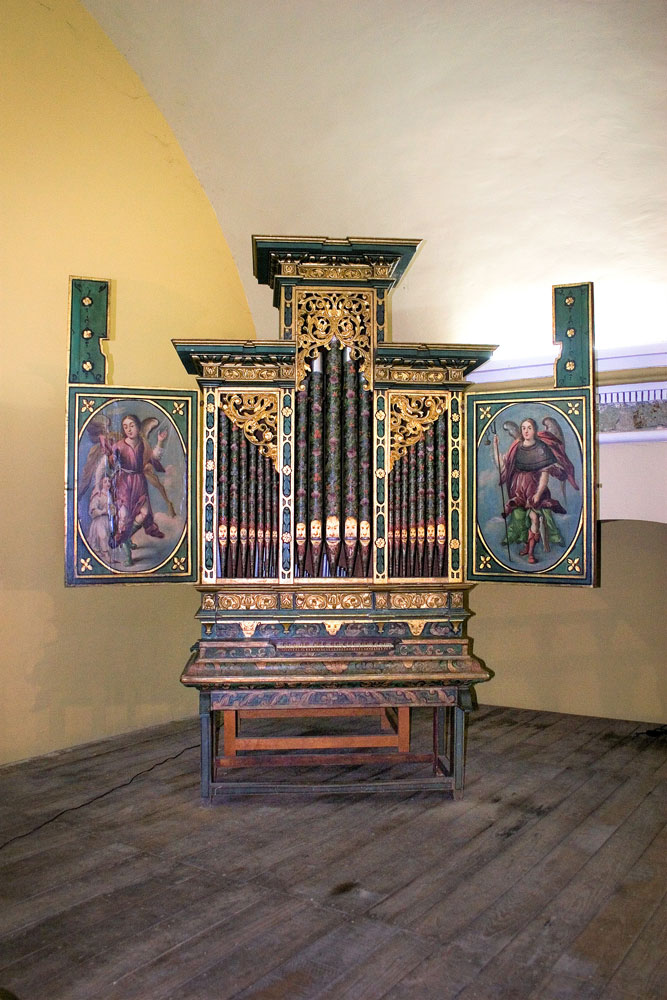
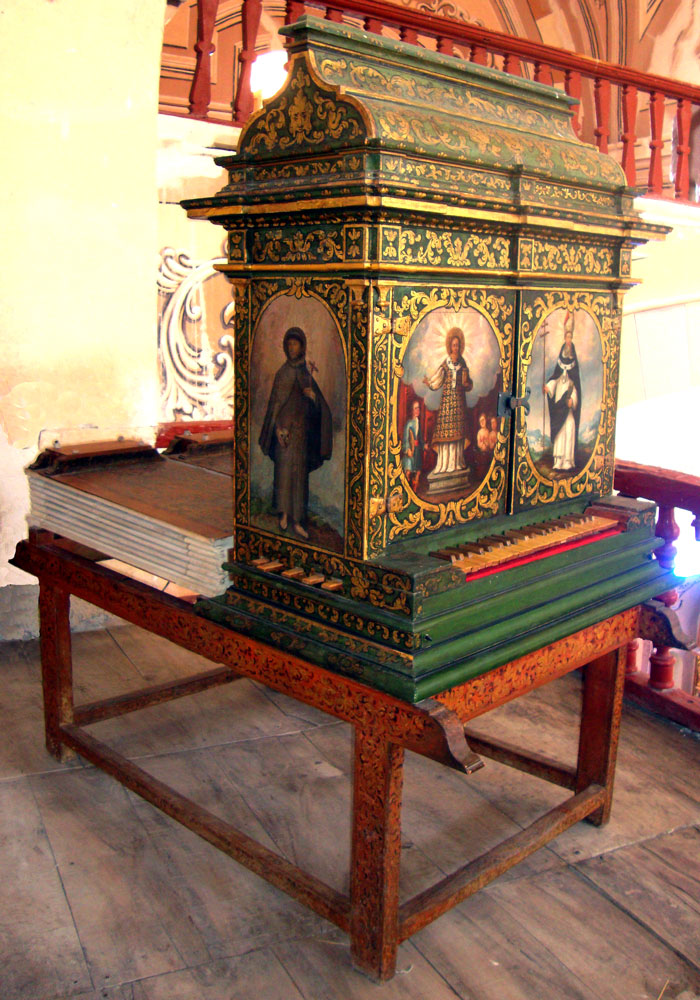
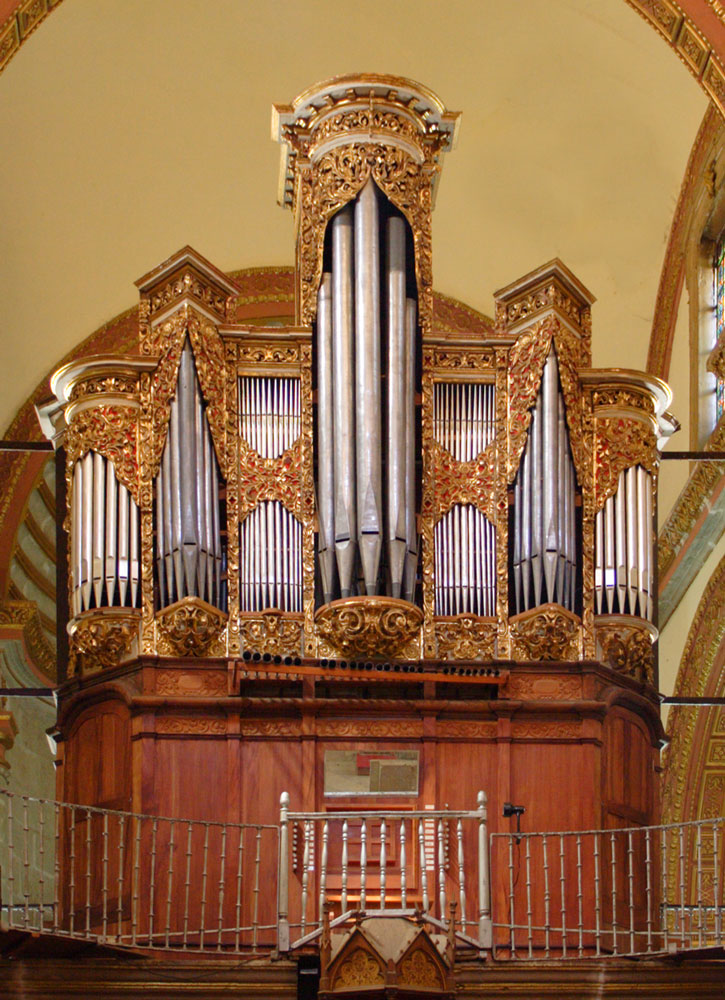
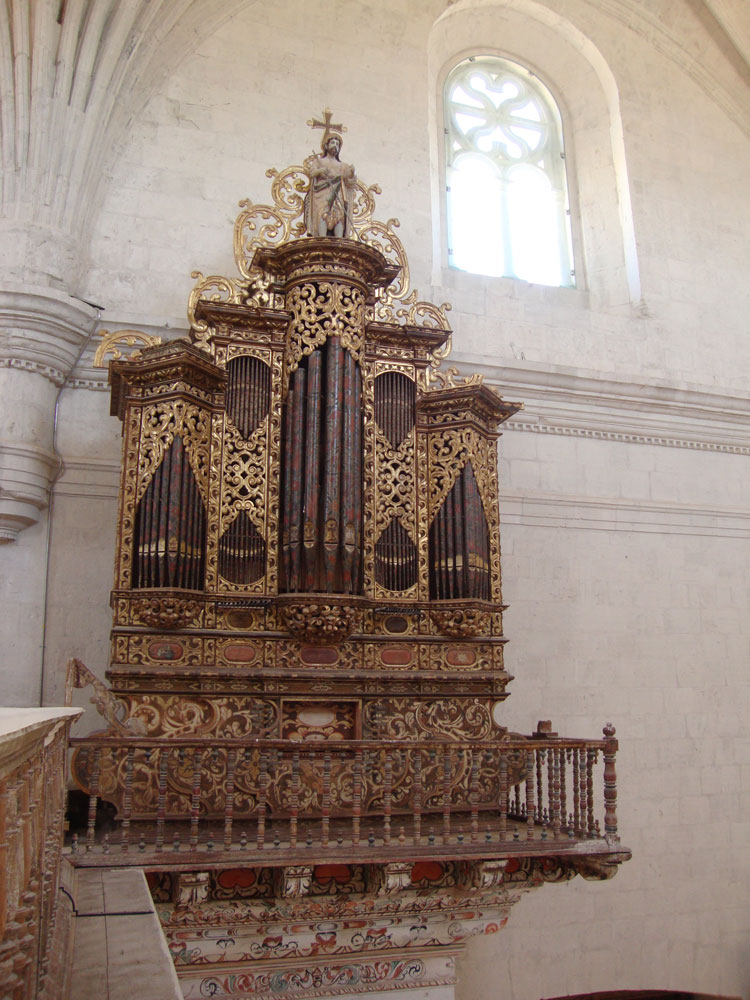
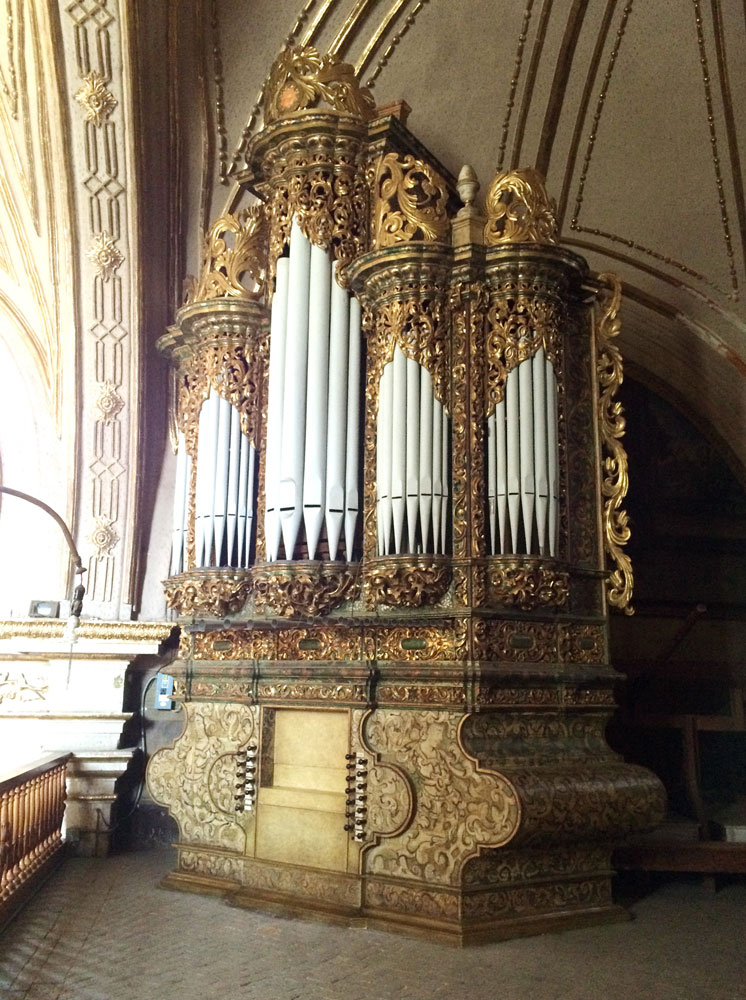
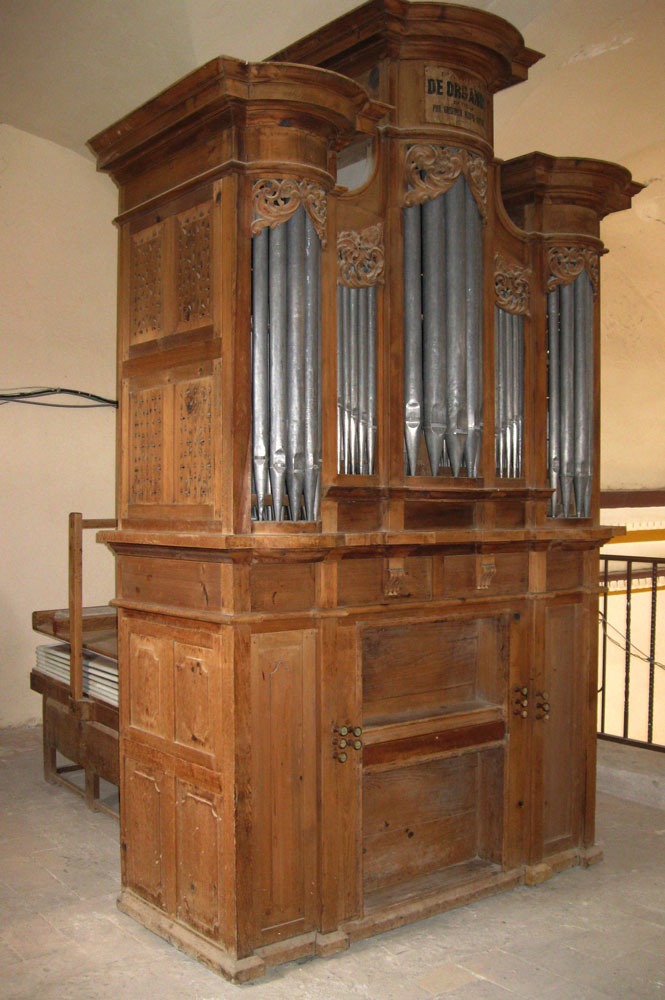
In recent years another artistic treasure has been incorporated into the cultural panorama: Oaxaca’s unique collection of historic pipe organs. Seventy-two organs built between 1686 and 1891 remain today as evidence of a glorious musical past when Oaxaca, after Mexico City and Puebla, was the third most important center of music in New Spain.
Conservation and restoration
These instruments have fascinated experts for years since they preserve elements of Iberian baroque design at the same time that they developed features particular to Oaxaca. Beginning in the 1990s, a more general awareness and appreciation for the organs has led to conservation and restoration projects, as well as their increasing use in the liturgy, church celebrations, concerts, and festivals throughout the state.
Eleven organs restored in Oaxaca since 1991
Although many hundreds of organs have existed in Oaxaca since 1544 (the earliest archival reference to an organ), over the course of time most of them have been lost due to normal deterioration, natural disasters, neglect, and/or willful destruction. Eleven of Oaxaca’s organs, more than in any other Mexican state, have been either restored, reconstructed, or repaired, and are now playable.
There is still work to be done
The remaining sixty-one instruments exist in varying states of conservation. Some of these organs are represented by only an empty exterior case or some interior parts, while others are completely intact and may be restored in the future. But despite their condition, the relatively small sample of seventy-two organs is enough to reveal a fascinating panorama of construction techniques and sound characteristics spanning over two hundred years. Furthermore, it is almost certain that there are still more organs in Oaxaca villages waiting to be discovered, and it is urgent to register them before they disappear.
OUR MISSION
Founded in the year 2000, the Instituto de Órganos Históricos de Oaxaca (or Institute of Oaxacan Historic Organs, IOHIO pronounced YOYO) is committed to:
• Assure that the restored organs are played and maintained regularly
• Reintegrate the organs into the liturgy and the present-day life of their communities
• Protect, conserve, and document the unrestored organs
• Offer musical and technical training at the local level
• Promote the organs through concerts, festivals, publications, conferences, and recordings
• Increase knowledge about the organs through archive and community research
• Emphasize the importance of the organs as part of the national and international cultural heritage
We believe that the historic pipe organs merit respect and support. These multifaceted instruments still delight us with their rich sound, their elegant appearance, and their fine mechanism. In addition, they represent a link to the past, reminding Oaxaca communities today of the commitment of their ancestors in financing the construction of these beautiful instruments.
CONTACT |
|